How to Build Low Cortisol Aim in Valorant for Calm, Consistent Flicks
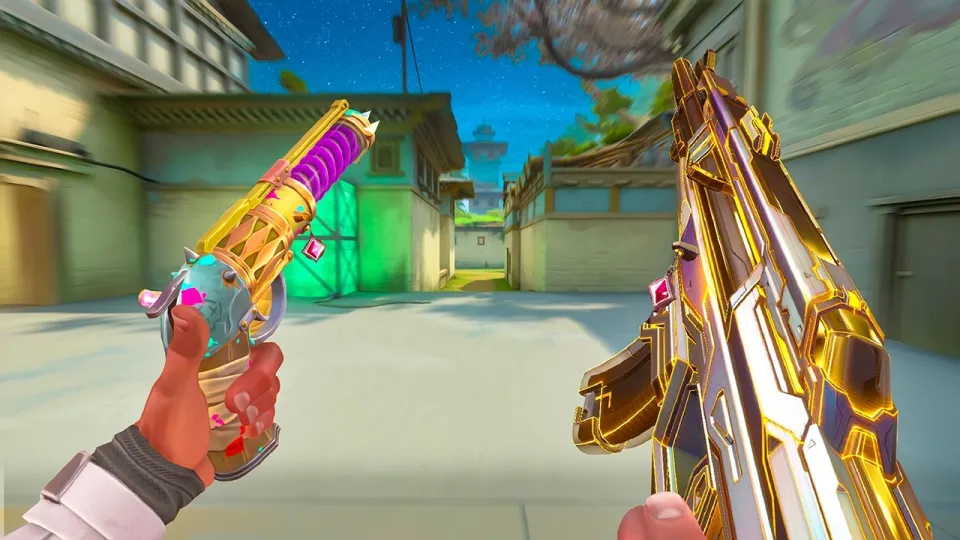
Video: low cortisol aim..
Need articles like this for your video? They help promote it on YouTube and Google — order them in the Telegram bot @sat_sit_bot. It writes articles around your video, embeds the video and publishes them on popular niche websites (no ads). Your first 50 articles are free.
Key takeaways
- Rawzu runs 400 DPI with 0.625 in-game sensitivity, a 1440x1080 stretched resolution and crosshair code 1-6-2-2.
- His setup pairs a Logitech G Pro X Superlight 2 on an Artisan Zero Soft pad with a Zowie XL2566K 360Hz monitor.
- Phoenix is the featured duelist: Blaze blocks vision and damages, Curveball blinds even around corners, Hot Hands and Run it Back add sustain.
- Low cortisol aim means pre-aim, smooth tracking and no panic flicks, not a slower sensitivity number alone.
- A stable frame rate and low input lag matter more than raw mouse DPI when shots need to stay calm.
Low cortisol aim in Valorant means keeping your mechanics calm and repeatable: a sensitivity you can control, a crosshair that reads clearly, a setup with stable frames, and movement habits that keep your crosshair ready before the fight starts. The goal is not to slow your aim down but to remove the panic that turns a simple flick into a miss. If you want the same hardware baseline the creator uses, you can optimize your PC for Valorant with Hone and start from a stable frame rate.
The phrase comes from Rawzu's calm-aim style, where Phoenix gameplay is used to show smooth pre-aim, quiet crosshair placement and deliberate movement rather than frantic swipes. You can copy the numbers, but the real work is in the routine around them.
What low cortisol aim actually means in Valorant
Low cortisol aim is a training mindset where your crosshair moves on purpose instead of reacting in panic. In practice it shows up as three things: you hold angles at head level, you clear corners with small strafes instead of wide swings, and you shoot only when the crosshair is already on the target.
The name is a joke about staying relaxed, but the mechanics behind it are real. A player who is tense over-grips the mouse, overshoots flicks and loses tracking after the first bullet. A calm player keeps the same grip pressure through a whole round, which makes every subsequent shot more predictable. That is why calm-aim clips look almost boring: the crosshair is already where the enemy will appear.
Copy the settings Rawzu uses
Rawzu's published settings are a useful starting point because they are deliberately low-sensitivity and built for control. The list below is the exact configuration shared with the video.
- Sensitivity: 400 DPI with 0.625 in-game, which is roughly 250 eDPI.
- Resolution: 1440x1080 stretched, a 4:3-style aspect that widens targets on screen.
- Crosshair: 1-6-2-2, a compact static crosshair with a small center gap.
- Mouse: Logitech G Pro X Superlight 2.
- Mousepad: Artisan Zero Soft, a control-oriented cloth pad.
- Monitor: Zowie XL2566K at 360Hz.
A low eDPI like 250 rewards arm aiming and makes micro-adjustments smaller, which fits the calm-aim idea. The Artisan Zero Soft adds stopping power, so a flick ends where you want it instead of sliding past the head. None of this replaces practice, but the hardware removes friction.
Build a calm aim routine before you queue
A calm aim routine is a short, fixed warm-up that trains smoothness first and speed second. Ten to fifteen minutes is enough if the drills are consistent.
- Start with slow tracking in the range: keep the crosshair on a moving bot's head for 30 seconds without shooting.
- Move to static taps on three bots at medium range, one bullet each, resetting your crosshair between kills.
- Add strafe-shooting: counter-strafe, stop, then fire, so your first bullet lands while you are stationary.
- Finish with one deathmatch where you only take fights you pre-aimed, ignoring any duel you did not set up.
The last step matters most. Calm aim is a decision-making habit, and deathmatch is where you practice refusing bad fights rather than out-flicking them.
Why Phoenix rewards this playstyle
Phoenix is an offensive duelist whose kit supports controlled aggression rather than blind entry. Blaze creates a wall that blocks vision and damages anyone walking through it, so you can cross open ground with a plan instead of a panic dash. Curveball blinds enemies even when they are tucked behind corners, which lets you pre-aim the angle they will be forced to hold.
Hot Hands gives healing and area denial, and Run it Back lets you take a risky duel and return if it goes wrong. Together they mean a Phoenix player can set up a fight, take it calmly, and still have an escape. That is exactly the loop calm-aim clips show: flash, walk, pre-aim, one clean burst.
Fix the technical side that breaks your calm
Stable performance is part of low cortisol aim because stutter and frame drops force you to compensate with faster, sloppier mouse movement. Three technical points do most of the work.
- Frame rate: lock a consistent FPS above your refresh rate rather than chasing a higher unstable number.
- Input latency: close background overlays, use a wired or well-charged wireless mouse, and keep polling rate steady.
- Display: a 360Hz panel like the Zowie XL2566K only helps if your PC can feed it consistently.
A stretched 1440x1080 resolution is a preference, not a requirement, but it does make enemy models wider and easier to track, which suits players who want readable targets over raw sharpness.
Common questions from viewers, answered
Viewers of calm-aim clips usually ask the same few things: whether the sensitivity is too low, how the movement looks so smooth, and what the strange audio moments in the video were. On sensitivity, 250 eDPI is on the low side but well within the normal range for arm aimers; if you cannot turn 180 degrees comfortably on your mousepad, raise it in small steps of 0.025.
On movement, the smoothness comes from counter-strafing and clearing angles in short segments, not from a special keybind. On audio, the clips use edited sound and voice moments for comedic effect, so do not treat them as a tutorial. And if you want the exact peripheral list, it is the one published with the video: Superlight 2, Artisan Zero Soft, XL2566K.
Useful links
Final thoughts on calm aim
Low cortisol aim is a package: a controllable sensitivity around 250 eDPI, a crosshair that reads cleanly, hardware that stops when you stop, and a warm-up that trains smoothness before speed. Rawzu's Phoenix clips work as a demonstration because the agent's Blaze, Curveball and Run it Back let a player set up fights instead of reacting to them. Copy the settings, then spend your practice time on pre-aim and counter-strafing, which is where the calm actually comes from. If your frames are the weak link, start by optimizing your PC for Valorant through Hone before you change another sensitivity value. The channel Rawzu is the author of this breakdown and the source of the settings listed here.
Questions & answers
Is 400 DPI and 0.625 sensitivity too low for Valorant?
At roughly 250 eDPI it is on the lower end but common among arm aimers. It gives precise micro-adjustments and stable tracking. If you cannot do a comfortable 180-degree turn across your mousepad, raise the in-game value in small steps.
Do I need a 360Hz monitor to aim calmly?
No. A high refresh rate helps clarity during fast movement, but consistency matters more than the peak number. A stable frame rate above your monitor's refresh rate and low input latency will do more for calm aim than a panel upgrade alone.
Why does stretched 1440x1080 feel different?
The 4:3-style aspect ratio widens enemy models on screen, which makes targets easier to read and track. It is a preference, not a requirement, and it costs some horizontal field of view compared with native widescreen.
How long should a calm aim warm-up take?
Ten to fifteen minutes is enough if it is the same routine every session: slow tracking, static taps, strafe-shooting, then one deathmatch focused on pre-aimed fights. Consistency across days matters more than a long single session.
Source: low cortisol aim.. · Markdown version