Solo Rust vs Group Play: Why the Solo Sentinel Experience Is Better for Learning and Entertainment
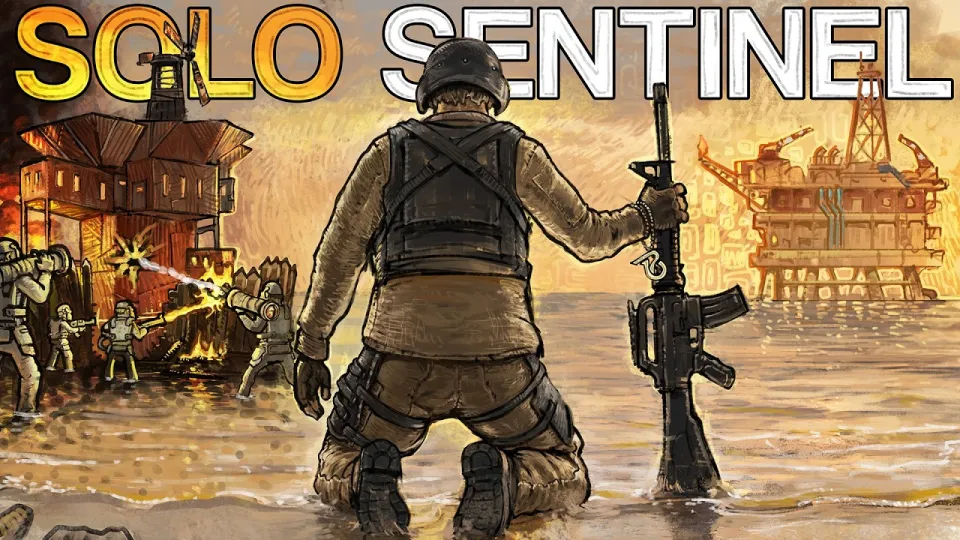
Video: The Solo Sentinel - Rust
Need articles like this for your video? They help promote it on YouTube and Google — order them in the Telegram bot @sat_sit_bot. It writes articles around your video, embeds the video and publishes them on popular niche websites (no ads). Your first 50 articles are free.
Key takeaways
- Blooprint's 'The Solo Sentinel' video shows a solo player building next to Oil Rig on a fresh wipe.
- Solo Rust forces you to manage every task alone: farming, building, defending, and raiding.
- Group play speeds up progression but reduces the personal narrative and learning curve.
- A well-designed solo base with turrets and traps can repel raids from larger groups.
- Viewers increasingly prefer solo content for its relatable struggles and clear decision-making.
Solo Rust is better than group play for players who want to learn the game deeply and for viewers who want a coherent story. In solo Rust, every decision—from base location to resource allocation—is yours alone, which accelerates learning and creates a personal narrative that group play often dilutes. Blooprint's video "The Solo Sentinel" demonstrates this by building a base right next to Oil Rig on a fresh wipe, turning a high-risk location into a stage for solo survival. For more solo Rust action and live streams, check out Blooprint's Twitch channel.
Why solo Rust is better for learning the game
Solo Rust forces you to handle every aspect of the game yourself, which builds a complete skill set faster than group play. In a group, roles specialize—one player farms, another builds, another PvPs—so you may never learn the parts you avoid. As a solo, you must farm your own resources, design and upgrade your base, defend against raids, and execute your own raids. This holistic experience teaches you resource management, base design, combat timing, and map awareness in a way that group play cannot. Blooprint's solo run next to Oil Rig is a perfect example: he had to secure the area, gather materials, and build a defensible base while constantly under threat from passing groups and the Oil Rig scientists.
How a solo base near Oil Rig creates high-risk high-reward gameplay
Building next to Oil Rig is a high-risk, high-reward strategy that amplifies the solo experience. Oil Rig offers lucrative loot—military crates, elite crates, and valuable components—but it also attracts groups and solo players looking for easy pickings. By building nearby, a solo player can quickly access the monument, but must also defend against frequent incursions. In "The Solo Sentinel," Blooprint's base location allowed him to control the approach to Oil Rig and use the environment to his advantage. The constant threat of raids forced him to design a base with turrets, traps, and smart peeking angles. This pressure cooker environment is where solo players learn the most about base defense and situational awareness.
What makes solo content more engaging for viewers
Solo Rust content is more engaging because the creator's thought process and personality take center stage. Without team comms, every decision is explained directly to the audience, creating a sense of sitting beside the player. Viewers get a play-by-play of crafting, building, and combat, which is both educational and entertaining. In group videos, the narrative often gets lost in banter and coordinated pushes. Blooprint's solo videos, like "The Solo Sentinel," are praised for their clear storytelling and relatable struggles. The comments on the video reflect this: many viewers appreciate the solo format because it feels more personal and the challenges are more understandable.
How to defend a solo base against larger groups
Defending a solo base against larger groups requires preparation, smart design, and psychological tactics. Here are key steps based on the strategies seen in "The Solo Sentinel":
- Choose a defensible location: Build near a monument like Oil Rig but use natural cover and choke points to your advantage.
- Layer your defenses: Use multiple layers of walls, doors, and traps. Turrets placed at strategic angles can deter or delay raiders.
- Keep your loot spread out: Don't store everything in one room. Use hidden stashes and multiple loot rooms to minimize losses.
- Use deception: Place decoy loot rooms and empty boxes to waste raiders' explosives.
- Stay mobile: Have an escape route and a secondary base or stash for emergencies.
- Exploit audio cues: Listen for raid indicators and use the element of surprise to counter-attack.
In the video, Blooprint's base design and quick reactions allowed him to repel several attacks, even when outnumbered. The key is to make the raid costly and time-consuming for the attackers.
Common questions and concerns about solo Rust
Many players hesitate to try solo Rust because they fear the grind or constant losses. However, solo play offers a unique sense of accomplishment and a deeper understanding of the game. Viewers often ask how to progress quickly as a solo; the answer is to focus on high-value monuments like Oil Rig and to prioritize base upgrades. Others wonder about dealing with groups; the strategy is to avoid open fights and use guerrilla tactics. The solo experience is challenging but rewarding, and it builds resilience. As one viewer noted, watching a solo player overcome struggles is more relatable than watching a group dominate effortlessly.
All Blooprint links
Conclusion: solo Rust offers a richer experience
Solo Rust is better than group play for players who want to master the game and for viewers who enjoy a focused narrative. The challenges of solo play—managing resources, defending a base, and outsmarting groups—create a deeper connection to the game. Blooprint's "The Solo Sentinel" is a prime example of how a solo player can thrive near a high-traffic monument like Oil Rig, and the video breakdown on his channel highlights the strategies and mindset needed. For more solo adventures, follow Blooprint on Twitch and join the community.
Questions & answers
Is solo Rust harder than playing in a group?
Yes, solo Rust is generally harder because you must handle every task alone: farming, building, defending, and raiding. However, this difficulty accelerates learning and makes each achievement more rewarding. Group play can be easier for progression but may not teach you all aspects of the game.
How do you defend a solo base against raids?
Defending a solo base requires layered defenses, strategic turret placement, and spreading loot across multiple rooms. Use traps and decoy loot to waste raiders' resources. Stay mobile and have an escape plan. Quick reactions and map awareness are crucial, as shown in solo gameplay videos.
Why do viewers prefer solo Rust content?
Viewers prefer solo Rust content because it offers a clear narrative and direct engagement with the creator's thought process. Without team comms, the player explains decisions to the audience, making it educational and relatable. The struggles and triumphs feel more personal and satisfying.
What is the best base location for a solo player?
A good solo base location balances resource access with defensibility. Building near a monument like Oil Rig can provide high-tier loot but attracts attention. Choose a spot with natural cover, choke points, and an escape route. Avoid open areas and consider proximity to other monuments for variety.
Source: The Solo Sentinel - Rust · Markdown version